Flying a multi-engine plane comes with more responsibility, more power, and more to think about. But where you do your training really affects how that learning goes. A multi engine flight school in Florida, especially near Pompano Beach, offers its own set of conditions that make the experience very different from what you’d find somewhere else. The weather, the location, and the air traffic in South Florida shape how we train and what skills our students build. It’s not always easy, but it’s one of the best ways to get prepared for real-world flying.
Late fall is a great time to start training, especially in Florida, where we’re still getting lots of flying days. While many spots around the country deal with early winter weather, we’re still learning in full sunshine with only a few seasonal changes. That’s part of what makes this region stand out.
South Florida Weather Isn’t Like Anywhere Else
If you’re training in Pompano Beach or anywhere close by, weather is one of the first things that changes the way we fly. South Florida’s skies give us both steady conditions and quick surprises. That mix helps students grow confidence and decision-making skills quickly.
- Most fall and winter days here still have clear skies in the morning, which makes it easier to keep a steady flight schedule without long delays.
- But even in late November, we start to see short, sudden afternoon storms. These pop-up weather events give pilots-in-training good chances to deal with fast-changing skies and plan alternative options.
- Heat and humidity also linger longer here than in other places. That affects engine performance, especially during climbing and landing. Sea breezes shifting through the day add more lessons in how wind patterns affect control.
All of these conditions make sure we’re not just flying in picture-perfect days. Instead, we’re learning how to fly when the weather is real and unpredictable.
Airspace Around Pompano Beach Keeps Pilots Alert
South Florida may look relaxed from the beach, but it’s busy in the sky. The airspace near Pompano Beach is active all day. That’s not a problem during training, it’s part of the lesson.
- Students share the sky with small aircraft, jets heading to regional airports, and helicopters passing through. This traffic keeps us sharp and teaches how to stay aware of other aircraft at all times.
- Controlled airspace means we build a habit of talking to air traffic control early and often. That’s a skill new pilots need, and South Florida gives us lots of real-time practice.
- Flying in this environment teaches respect for procedures. There’s no guessing where you are or who’s around. Every part of the flight requires observation, decision-making, and clear communication.
This kind of alertness builds confidence fast and prepares students for more complex routes later in their careers.
Practicing at Lower Altitudes Near the Coast
Flying multi-engine aircraft near the coastline adds another layer to training. We’re not just handling power and systems, we’re dealing with challenges that come with flying over water and flat land at the same time.
- Wind shifts are more noticeable along the water. As breezes move inland and shift directions, planes respond in subtle and not-so-subtle ways. Students pick up on these reactions fast.
- Planning matters more when you’re flying over stretches of beach or inland areas with fewer places to land. We practice choosing safe locations and managing fuel more carefully.
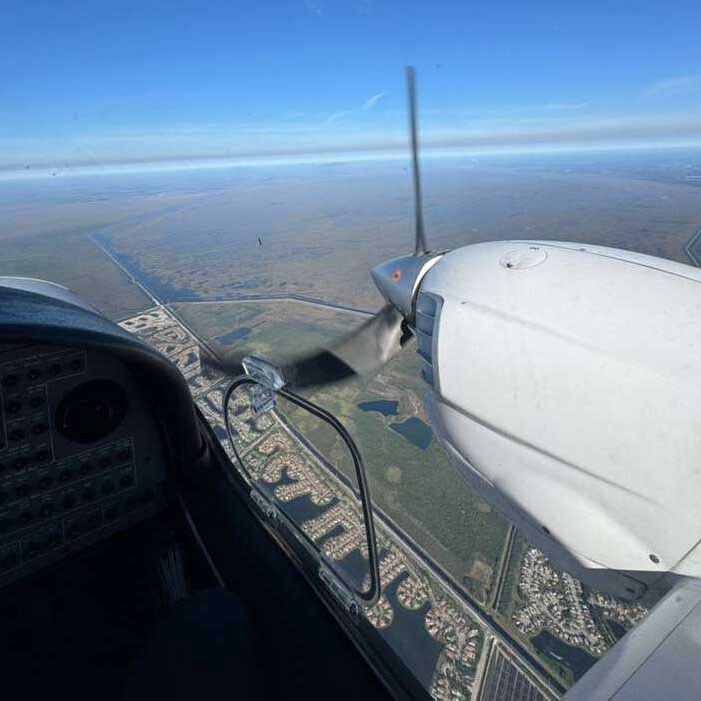
- South Florida offers something most inland schools can’t: plenty of variety in practice zones. One leg of the flight might give you wide ocean views, while the next brings you over calm rural farmland. That variety makes training more complete and gives us experience in different visual settings.
Getting used to these conditions early lays the groundwork for smoother flights in new locations down the road.
Why Multi-Engine Planes Feel Different in the Florida Heat
Even in late fall, Florida stays warm. Heat plays a big role in how airplanes behave, especially multi-engine aircraft. That’s something students feel the moment they push the throttle.
- Hot air makes it harder to generate lift and slows down climb performance. Engines have to work harder, and pilots have to plan their takeoffs more carefully.
- Bigger engines in twin aircraft help handle the heat better than single engines, but they still respond differently during warmer runway runs. The extra weight and speed mean longer takeoff distances, which we account for in every session.
- These conditions push us to fly smart. We’re not just going through motions, we’re constantly adjusting for temperature, wind, and power. That makes the learning stick.
By the time cooler months come around in other parts of the country, our students already know how to manage performance on the hottest days.
What to Look for in a Multi Engine Flight School in Florida
Finding the right place to train in Florida goes beyond sunny weather and beachside views. A strong multi engine flight school in Florida should prepare students for more than textbook flights.
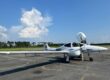
- At Fly Legacy Aviation, all training is conducted in a Diamond DA-42 multi-engine aircraft, so students get hands-on experience with systems found in modern commercial planes.
- Ground instruction includes realistic emergency scenarios that prepare students for challenging airspace and coastal conditions.
- Pompano Beach and nearby towns give access to perfect spots for this kind of hands-on learning. With year-round flight windows, busy airspace, and natural coastal challenges, there are lots of opportunities to practice skills that will matter later.
Training isn’t just about checking boxes. It’s about preparing for everything that can happen in the air. That’s why local knowledge and conditions matter so much.
Ready for Real-World Flying: The South Florida Difference
What sets South Florida apart for multi-engine training isn’t just the weather or the view. It’s how those pieces come together to shape better pilots. The skies near Pompano Beach offer busy traffic, quick weather shifts, heat, and humidity. That mix helps us build flight habits that stick.
We learn faster by being challenged early. Flying here means building good habits, stronger reactions, and sharper skills. Every takeoff and landing teaches us something, and every day in the air brings new variables to manage. Training with Fly Legacy Aviation, students benefit from FAA-approved programs, experienced instructors, and a focus on real-world skills that matter on commercial pilot job interviews.
Are you ready to experience the thrills and challenges of South Florida’s dynamic airspace? Join us at Fly Legacy Aviation, where our program at a multi engine flight school in Florida prepares you for every condition you might encounter in the real world. Embrace the opportunity to build strong flight habits in diverse weather and air traffic conditions. Contact us today and start your journey toward becoming a skilled and confident pilot.