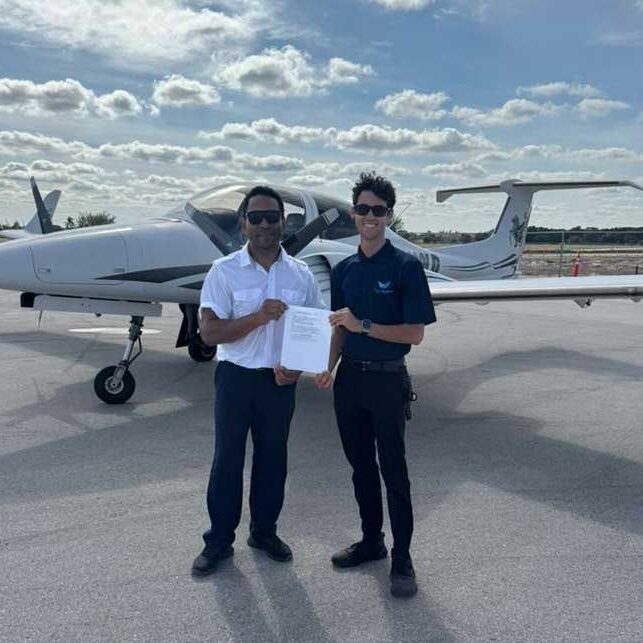
Flying twin-engine aircraft isn’t just something pilots try for fun. It’s a required step for many who want to make flying their career. If a pilot’s goal is to work for a charter company, become a flight instructor, or fly for the airlines one day, a multi-engine rating is part of the process. It covers a different set of skills than what’s taught in a single-engine plane, and it brings bigger responsibilities too.
Training in the right place makes a big difference. Learning to fly in South Florida offers some unique benefits. Our skies are usually clear, even in December, and the coast near Pompano Beach creates the kind of conditions that give students solid experience. That’s why earning a multi engine rating in Florida helps so many new pilots stay on track, especially when they’re getting ready for commercial flying.
Why Multi-Engine Experience Matters for Commercial Work
Commercial flight jobs often involve faster planes with heavier loads. Most of those planes have more than one engine. When you go from a single to a twin, everything from engine control to checklist planning steps up a level. It’s not just about learning to fly again, it’s about learning to fly smarter.
- A twin-engine plane gives you better safety options if something goes wrong, but only if the pilot knows what to do. That’s why multi-engine training focuses so much on failure response and engine-out situations.
- Commercial pilots have to be ready for job interviews, simulator checks, and route flying that isn’t always straightforward. Training in a multi-engine plane shows that a pilot can handle more power, more systems, and more responsibility in the sky.
- Most flight jobs beyond private flying will ask for time in a multi-engine aircraft. It’s a common step for anyone getting serious about aviation as a profession.
By earning this rating, future commercial pilots are proving they can manage more than the basics.
What’s Involved in Earning the Multi-Engine Rating
Learning to fly a twin means learning how to manage several systems at once. Both engines need equal control, and responses need to be fast, especially when one of them stops working.
- Training always starts on the ground. Pilots learn how the systems work, what to expect from each engine, and how the controls change with added speed and weight.
- Once lessons move into the air, the focus shifts to balance, directional control, power use, and system checks. Most of all, students practice what to do if one engine fails mid-flight.
- The final test, called a checkride, challenges pilots to show they can fly safely and think clearly under pressure. A big part of that test is proving they can keep flying safely using only one engine.
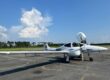
At Fly Legacy Aviation, training for a multi engine rating is conducted in modern Diamond DA42 multi-engine aircraft, ensuring students get hands-on experience with advanced systems often used in commercial settings.
Local Benefits of Training in Florida’s Winter Season
December means fewer flying days in many states, but not here. In Florida, we’re still getting dry air, calm winds, and warm morning sunshine, a perfect setup for sticking to a steady schedule.
- Unlike northern states, where cold air and winter storms slow down lessons, Florida tends to stay mild and clear. That means fewer canceled flights and more time in the air.
- Pompano Beach has steady coastal winds and familiar weather that help pilots repeat key lessons without major changes day by day.
- Doing multi-engine training in Florida gives students more time to focus on technique instead of waiting around for blue skies.
This time of year is often when pilots want to finish ratings or prep for commercial steps. Getting a multi engine rating in Florida lets students use the winter months without falling behind.
Pompano Beach Flying Adds Real-World Complexity
Flying isn’t only about stick and rudder skills. It’s about awareness. Airspace near Pompano Beach helps pilots learn fast because it’s active and real, not perfectly quiet or overly controlled.
- Local flying areas include both commercial paths and general aviation routes, which teaches us how to handle crowded airspace and stay sharp on radios.
- Coastal breezes keep changing through the day. That forces students to adjust during climbs, approaches, and engine loss drills.
- Since much of the practice happens at lower altitudes and sometimes over water, we learn to choose safe options quickly and use good judgment for every leg of the flight.
With access to a range of practice areas, including controlled airport environments and busy routes, Fly Legacy Aviation helps students develop true situational awareness and readiness for commercial work.
Staying Focused Beyond the Rating
Getting the rating is just one step. To really grow, pilots need to fly twins often and put those skills to use on real flights. That’s where everything they’ve learned becomes second nature.
- Many career paths expect pilots to fly twins to stay sharp. Instructors, charter pilots, and cargo flyers all use that experience during work hours.
- Interviewers for airline and corporate jobs look for confidence and control. Flying twins builds both. You learn how to stay calm when things shift, not just when everything is smooth.
- The more we fly in these planes, in varied locations and with different instructors, the stronger our instincts become. That carries over into every type of job later.
It’s not just about passing a test. It’s about building real skill one flight at a time.
The Skills You Build Stay With You
Flying a multi-engine plane pushes pilots to look ahead, make faster calls, and stay on top of every part of the flight. It brings out the kind of focus that matters in commercial roles.
Pilots who learn in Florida during winter get a strong mix of clear weather, varied airspace, and real coastal conditions. That training sticks. It builds habits that don’t fade once the checkride ends. Whether you’re setting up for a charter job or getting ready for your first airline bid, sharp multi-engine training gives you a head start.
Get Started on Your Next Flight Path
Prepare for a successful winter training season in Florida’s coastal skies with Fly Legacy Aviation. Students benefit from FAA-approved curriculum, experienced instructors, and flexible schedules that help keep their progress on track. Around Pompano Beach, you’ll enjoy consistent flying days and real-world experience that benefits you long after your checkride. Many aspiring commercial pilots choose this flexible, fast-paced location for its strong setup and hands-on learning. Discover what’s included while earning your multi engine rating in Florida to see what to expect. Reach out to us today if you have questions or want to discuss your next steps.