If you’re taking your first multi-engine flight in South Florida, there’s a lot to take in before the wheels leave the ground. The warm weather doesn’t just make winter flying easier, it also opens up opportunities to build skills in one of the most dynamic flying environments in the country. Between the water, the airports, and the traffic overhead, it doesn’t take long to see how the local airspace shapes your whole experience from the very start.
Training through a multi engine flight school in Florida gives students early experience with busy skies, layered airspace, and quick-thinking decisions. Flying near places like Pompano Beach introduces beginner pilots to many of the same challenges more advanced students learn down the road. That’s not always easy, but it builds confidence from day one. At Fly Legacy Aviation, this training is based at North Perry Airport in Pembroke Pines, a towered airport with a 3,350 foot runway that keeps students operating in controlled airspace right from the start.
What Makes South Florida’s Airspace Unique
South Florida sits under an active mix of flight activity. On a clear afternoon, you might see airliners setting up for Miami, local students practicing landings, and helicopters crossing from the ocean to the mainland. Add in a few military operations and restricted zones, and it’s obvious this isn’t a quiet training area. With a large fleet of new Piper and Diamond aircraft, including Diamond DA42 multi-engine trainers, students are surrounded by the same category of aircraft they will encounter later in professional flying environments.
This setup gives students their first real experience working inside and around Class B, C, and D airspace, depending on exactly where they’re training. They’re exposed early to how airspace works, which one they’re in, and how to stay out of the wrong areas at the wrong times. That kind of awareness sets the stage for safe habits later on.
Flying just north of Miami or Fort Lauderdale also means you’re not far from busy routes and aircraft on cleared approaches. Learning to plan around those patterns forces students to think one or two steps ahead, something that will help on every flight going forward.
How Controlled Airspace Sharpens Communication
One thing new pilots notice during training in this region is how often they talk to air traffic control. There aren’t wide stretches of uncontrolled space like you might find in more rural areas. Instead, you’re getting a lot of early practice with radio calls and listening carefully to instructions.
That’s a good thing. Clear communication becomes second nature much quicker when it’s part of every flight. And in South Florida, it usually is. You’re checking in for ground clearance, confirming takeoff orders, and talking through transitions from one control area to another long before you have hundreds of hours in your logbook.
This environment helps build a student’s comfort not just with speaking, but with understanding fast-moving traffic instructions. That’s a skill that’s hard to practice sitting still, and one of the benefits of learning in a more active zone.
How Coastal Weather Affects Flight Planning
South Florida’s weather in December is usually mild, but that doesn’t always mean calm skies. Sea breezes and inland shifts during the day can change conditions quickly. You might take off under clear skies and come back to a layer of cumulus building over the coast.
Planning around those changes becomes a major part of student training. Afternoon thunderstorms can still form, even in winter, and pilots need to check radar frequently and adjust timing around pop-up showers or increased wind near the shoreline.
Working with instructors who know the local patterns goes a long way. We take time to teach students things like how to spot those gust lines or watch for traffic heading inland to dodge a passing cloud line. Being ahead of those shifts instead of reacting to them sets the tone for all future planning.
Why Traffic Density Builds Better Decision-Making
In areas like Pompano Beach, student pilots don’t often find themselves alone in the pattern. There’s usually another aircraft finishing a landing, someone entering from the crosswind, and maybe a few others in holding patterns nearby. It’s a busy setup, but one that builds quick thinking fast.
Being in the mix helps students get comfortable with spacing and sequencing. We teach them how to manage approaches, extend patterns, or switch runways when instructed, all while staying relaxed and ready. That’s not always easy, but doing it early changes how pilots carry themselves under pressure.
Here’s how flying in high-traffic areas builds sharper skills:
• Students learn to scan skies more often and anticipate movement
• They practice adjusting their route to fit into larger flows
• They get used to rethinking their route mid-flight based on real-time traffic updates
Even small choices like when to taxi or how to adjust for back-taxi traffic give multi-engine students more chances to think and react in real-time.
Real-World Lessons from the Sky
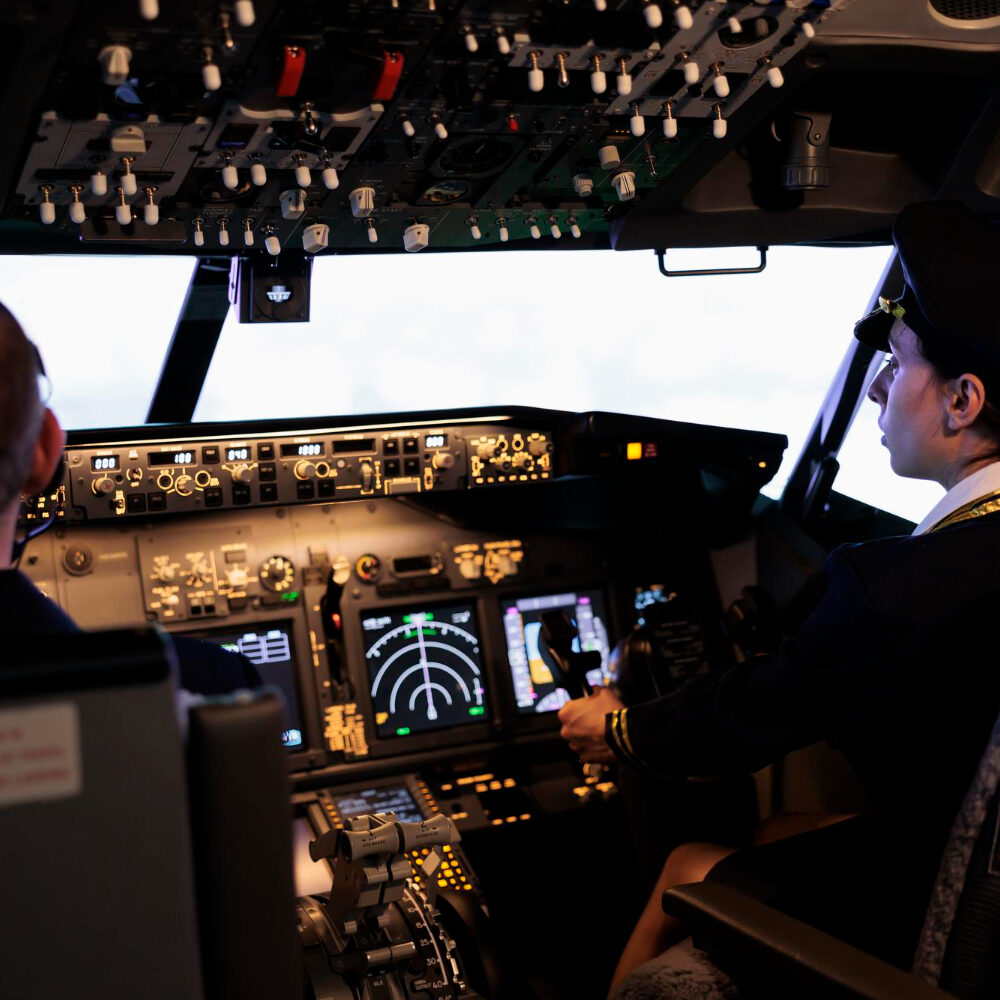
Learning to fly a multi-engine plane in South Florida teaches more than just how to handle the extra engine. It helps students build awareness, grow confidence on the radio, and work through problems without freezing up. Because the airspace here has so much going on, almost every flight offers something to learn. In Fly Legacy Aviation’s dedicated multi-engine program, students train in the Diamond DA42 equipped with Garmin G1000 avionics and electronic engine and propeller controls, so they can focus on managing real-world airspace while learning modern systems at the same time.
From handling faster traffic to adjusting your route along the coast, training here builds habits that follow students long after they finish the basic course. There’s something about tackling the extra layers early that makes students quicker, steadier, and more prepared for whatever comes next.
Going through a multi engine flight school in Florida doesn’t just check a box. It gives you experience in the kind of real-world flying that most pilots only see once they’re deeper into their training. And that early practice can help students stay a step ahead, whether they’re headed for cross-country flights or planning to go commercial later on.
Take your aviation skills to the next level in the dynamic environment of coastal Florida, where our students learn to manage aircraft, handle radio communications, and stay ahead in real-world situations from day one. Choosing a multi engine flight school in Florida sets the foundation for becoming a confident, experienced pilot. At Fly Legacy Aviation, we’re ready to support your journey every step of the way, reach out today to get started.