Starting private pilot training in Florida is an exciting step, especially when you’re just getting into flying. If you’re heading into your first few lessons around Pompano Beach, it helps to know what you’re walking into. Winter here isn’t cold and icy like in other parts of the country. Instead, it’s packed with sunny days, smooth skies, and more chances to stay in the air. That makes it one of the best places to learn the basics.
With steady weather and a flying environment that’s both safe and realistic, this area sets students up well. From your first day around the aircraft to the weeks that follow, each part of training brings something new to learn. Here’s what you can expect early on and what things might be helpful to keep in mind as you go forward.
What Weather Means for Flight Training in Florida
During December, Florida skies tend to stay clear and calm. While other places are dealing with ice or snow, we’re still flying strong. That gives new students a real advantage. Not needing to work around weather delays makes it easier to stay consistent and focused.
• Mild temperatures help aircraft perform better, making early lessons smoother for students getting used to how planes respond.
• Calm air keeps things predictable, so instructors can focus more on teaching than adjusting to the environment.
• Fewer weather disruptions mean more time actually spent in the air. When you’ve got steady conditions, it’s easier to build good habits and stay on track with lessons.
Flying in steady weather gives students the space to grow confidence without being distracted by too many outside changes all at once.
What You’ll Do in Your First Few Lessons
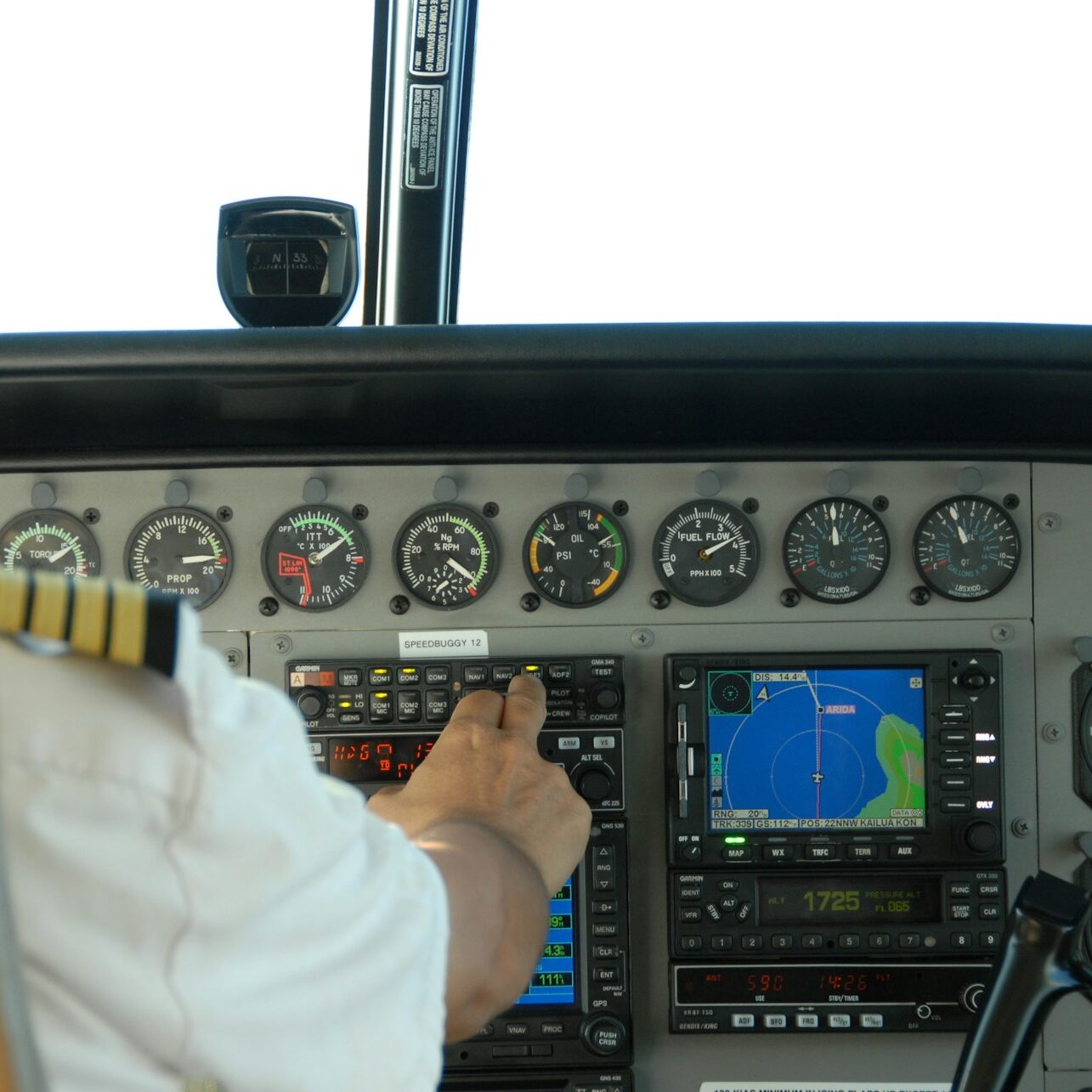
Most new students feel a mix of nervousness and excitement at the beginning. Learning to fly a multi-engine plane feels different than driving a car or even flying a single-engine. From the first day, we’re not just teaching how to pull the yoke or line up on the runway, we’re helping students understand how power, systems, and awareness all fit together.
• The day usually starts with a pre-flight check. That’s where you walk around the plane with your instructor and learn how to inspect everything, from the engines to the fuel.
• Next comes taxiing. You’ll practice using the pedals to steer and keep pace with ground traffic while staying in contact with your instructor and control tower.
• Once in the air, you’ll get a chance to use the basic flight controls. We keep things simple on day one, but it’s still a big first step.
Multi-engine training adds more to think about right from the start, but it also helps students pay closer attention to systems and balance early on.
Things to Keep in Mind as Training Moves Forward
As lessons continue, things start to get more comfortable, but they also grow more complex. Every student hits a point where progress feels slow, especially when you’re trying to master landings or radio calls. Patience is part of the process.
• Not every flight will feel like a win. Some days involve practicing the same movements over and over, and that’s completely normal.
• Florida’s active airspace adds noise and movement, which is a good thing. It means learning to fly around other aircraft, follow procedures, and respond calmly under pressure.
• After those first few flights, many students start flying to nearby locations and learning how to manage different types of airspace. That shift from sessions near the runway to full short-route flights feels big, and it’s an exciting change.
Growth is not always straight ahead, but every hour brings something new to help build your skills.
Why Pompano Beach Is a Popular Spot for Flight Training
Training around Pompano Beach gives student pilots exposure to several different airspace types in a relatively short distance. That’s not something every training location can offer.
• Controlled airports are close by, giving us plenty of time to build comfort with tower communication and clearances.
• Uncontrolled airfields nearby offer a slower pace when needed, great for practicing approaches and patterns without as much radio chatter.
• Coastal weather changes throughout the day, with sea breezes and softer shifts in visibility. These small changes help students practice watching instruments and adjusting control.
• Different runways, crosswinds, and traffic levels are part of everyday lessons here. Rather than just repeating the same pattern, we’re giving students hands-on variety that gets them ready for real flying conditions.
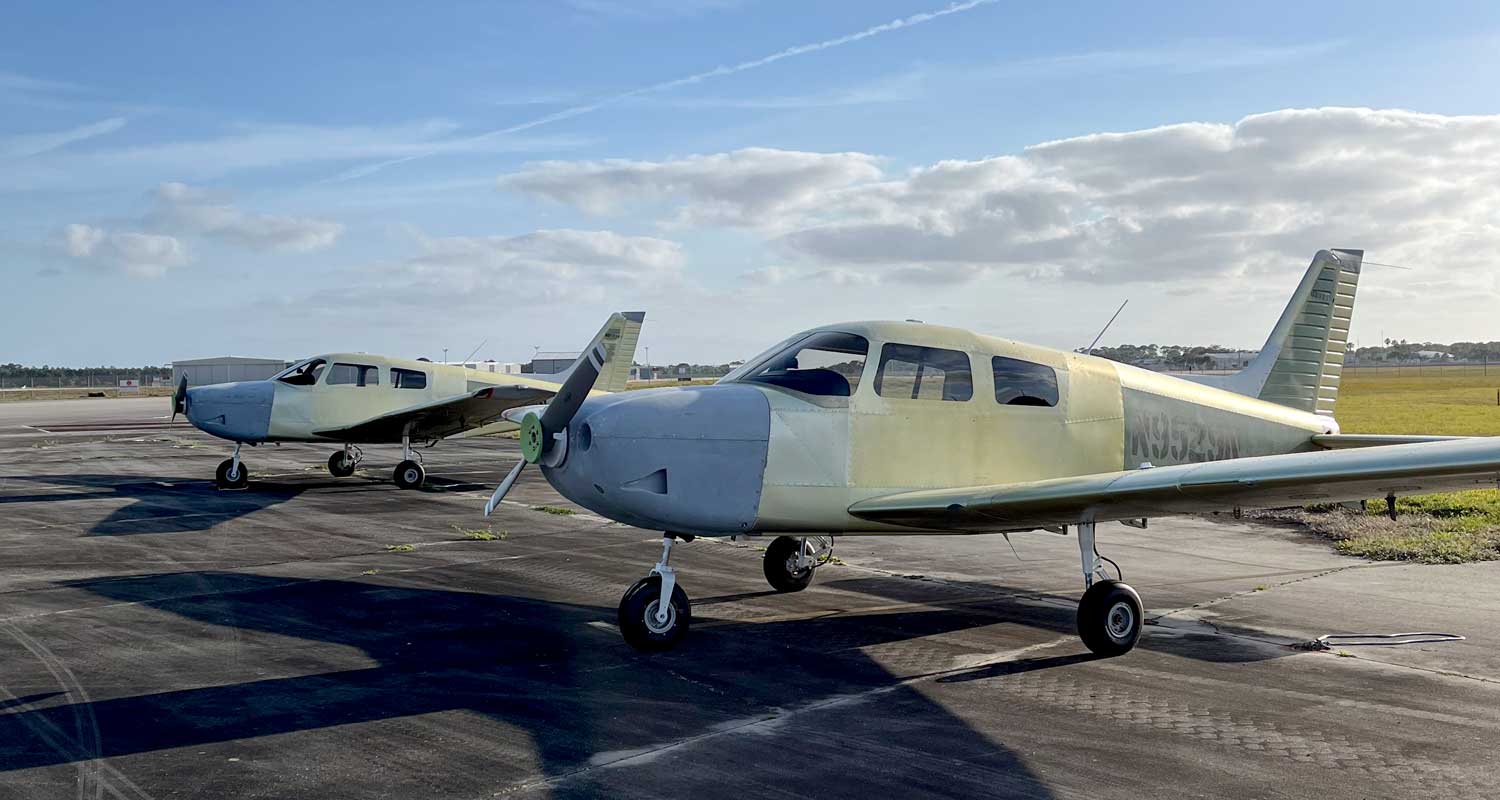
Students at Fly Legacy Aviation train in a fleet of Piper aircraft, known for helping new pilots get comfortable with private pilot maneuvers and real-world flying conditions.
Learning to fly here helps students build trust in their instincts and sharpen their awareness far beyond the textbook.
Ready to Fly: How Your First Lessons Lay the Groundwork
Learning to fly a multi-engine plane in Florida, especially near Pompano Beach, lets students work through the basics in a supportive setting. With steady skies, real traffic, and just enough challenge to stay sharp, this area makes it easier to learn what matters.
The habits we build during private pilot training in Florida stick with us far beyond that first certification. Starting in a location with helpful weather, experienced support, and real decisions to make sets the foundation for safer, stronger pilots at every step that follows.
Set Your Course for the Skies
At Fly Legacy Aviation, we understand the importance of beginning flight lessons with the right support in the ideal environment. With FAA-certified instructors and modern training techniques, flying multi-engine planes near Pompano Beach leads to fewer delays, steady progress, and valuable real-world experience that builds skill and confidence. Our experience shows that consistent skies and hands-on training strengthen private pilot training. For those interested in aviation, view our programs for private pilot training in Florida and call us today to take the next step.